



Products Description
GelMA is one of the most widely used bio-printing materials at present.
It is derived from natural gelatin and retains the biological activity of collagen while also having good printability.
Advantages: Excellent cell compatibility, contains natural cell adhesion sites, adjustable mechanical properties, and easy cross-linking.
Applications: Vascular printing, skin construction, cardiac tissue, organoid cultivation, bone tissue engineering.
Products Specification
| Product name | GELMA/Gelatin Methacryloyl/Methacrylate Gelatin |
| CAS NO | 2280018‑77‑9 |
| ITEM NO | M279 |
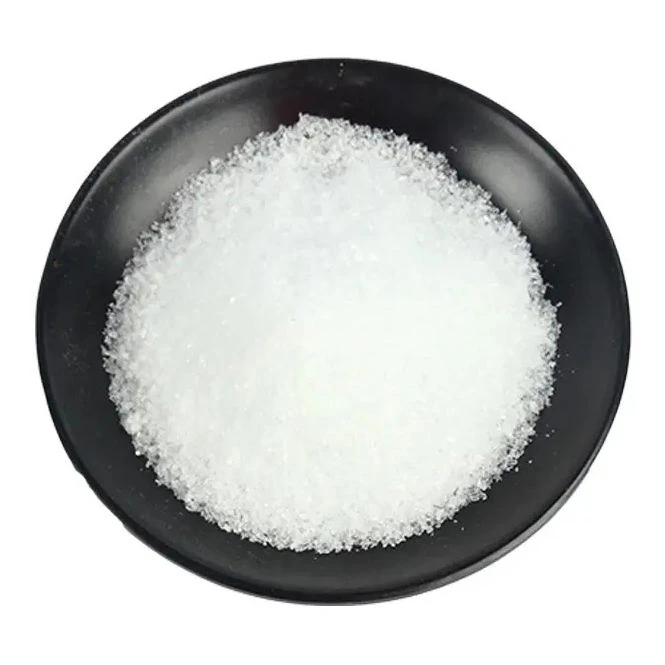
| Appearance | White to off-white powder |
| DS | 20%/30%/60%/90% |
| pH | 6.0‑7.5 |
| Package | 10mg/100mg/1g etc. |
| Delivery | 2-3days |
| Storage | -20℃ |
| MSDS/COA/TDS | Connect us |
Products Application
1.3D Cell Culture: Serves as 3D cell scaffold for encapsulating stem cells, cancer cells, cardiomyocytes and chondrocytes, supporting cell proliferation and differentiation in 3D environment.
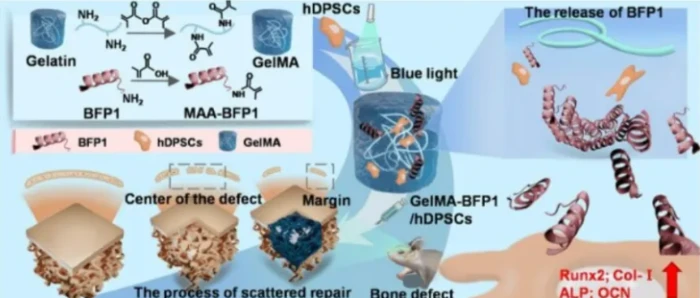
2.Tissue Engineering & Regenerative Medicine: Applied for regeneration of cartilage, bone, blood vessel and skin. Its ECM‑like porous structure provides favorable growth microenvironment for cells.
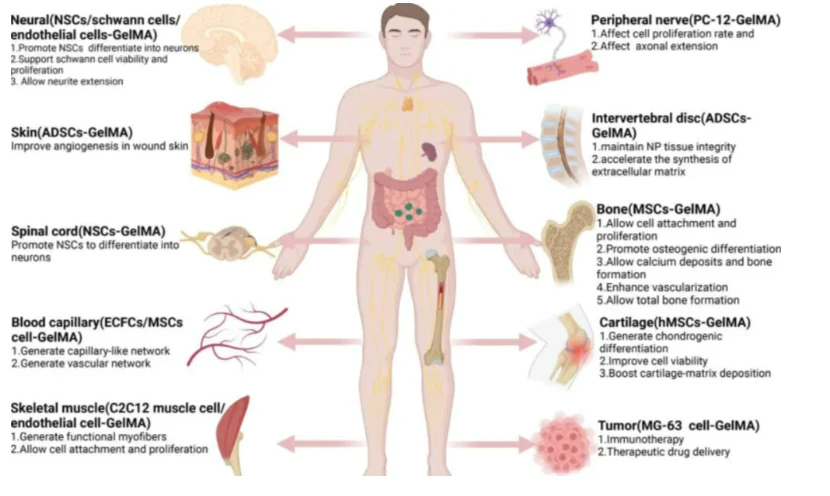
3.3D Bioprinting: Widely‑used bio‑ink with good rheology and photocuring property. Compatible with extrusion‑based and projection‑based bioprinters to fabricate complex bionic structures such as nerve conduits and blood vessels.
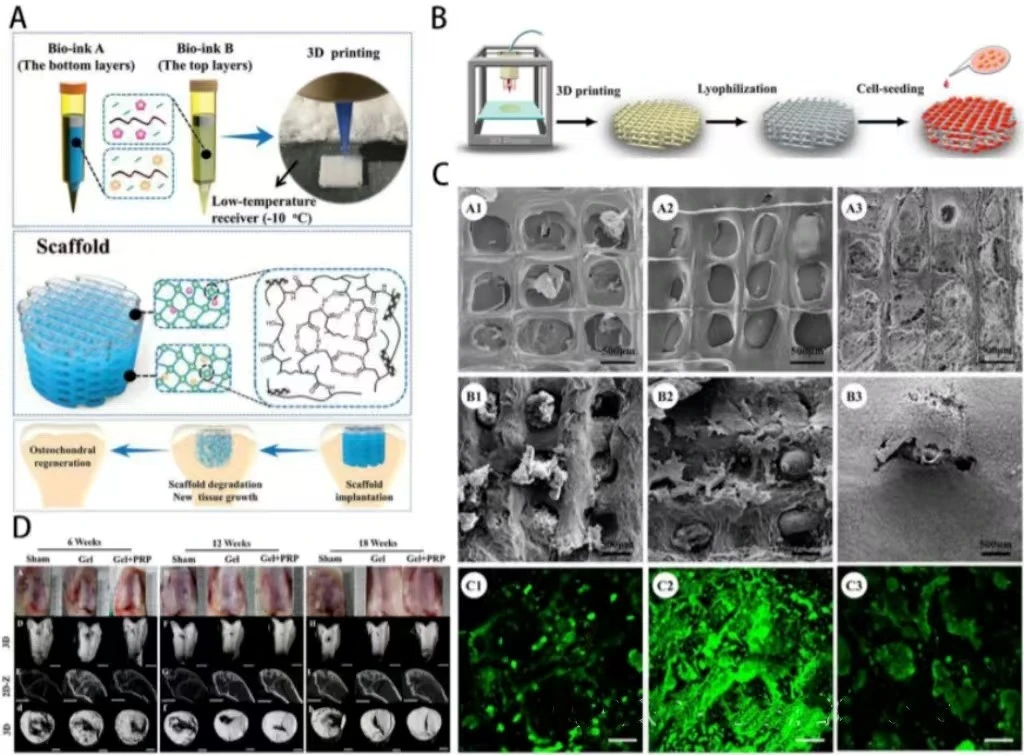
4.Drug & Cell Delivery: Acts as carrier for drug sustained‑release and cell transplantation. Drugs are released slowly under enzyme or pH regulation to extend efficacy duration.
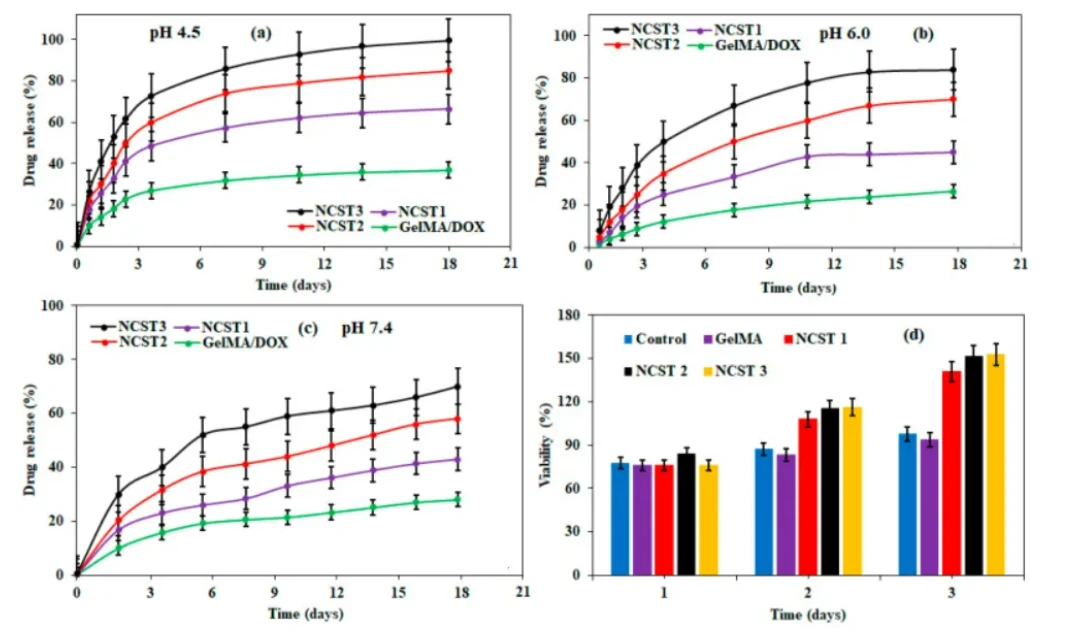
The materials that Megma can provide for the basic materials used in biological 3D printing include:
|
Sodium alginate |
CAS 9005-38-3 |
|
Collagen |
CAS 9007-34-5 |
|
Gelatin |
CAS: 9000-70-8 |
|
Polyethylene-polypropylene glycol |
CAS: 9003-11-6 |
FAQ
Q: What does DS mean for GelMA?
A: DS stands for Degree of Substitution. It is the percentage of gelatin amino‑groups grafted with methacryloyl groups, which directly determines hydrogel mechanical strength, cross‑linking speed and degradation rate.
Q: Which DS value should I choose for 3D cell culture?
A: DS 30‑60% is preferred for general cell culture; high DS (90%) brings stiffer hydrogel, suitable for hard‑tissue‑related research.
Q: What temperature is required to dissolve GelMA powder?
A: Dissolve GelMA in PBS or DI water at 50‑60℃, it cannot dissolve at room temperature.
Q: How should I store GelMA powder?
A: Store sealed at ‑20℃ and keep away from light, avoid repeated freeze‑thaw operations.
Q: Could GelMA hydrogel be degraded in cell experiment?
A: Yes, it can be degraded by cellular secreted enzymes, degradation rate is related to DS and gel concentration.
Hot Tags: cas no:2280018‑77‑9 gelma/gelatin methacryloyl, China cas no:2280018‑77‑9 gelma/gelatin methacryloyl manufacturers, suppliers


